
Matching two people is rarely simple. Matching two people from different countries, cultures and ways of understanding love is a considerably more delicate undertaking.
Or you prefer rather to call? +41 22 900 11 28
Carla De Blasi has spent years working precisely at this intersection, helping internationally mobile clients find not just compatibility on paper, but the kind of genuine understanding that survives the practical realities of building a life across borders. We spoke with her about what that work has taught her, what tends to surprise even the most self-aware clients, and why cultural difference, handled well, can become one of a relationship’s genuine strengths rather than an obstacle to it.
What surprised me most is that, beneath the accomplishments and international lifestyles, many people are looking for something remarkably simple: a sense of home in another person.
Our clients may lead exciting lives, travel frequently and move confidently between different countries and cultures. However, when we speak privately about what they truly want, they rarely focus only on status, appearance or an impressive professional background. They speak about emotional safety, ease, trust and the freedom to be themselves without constantly having to perform.
Many high-achieving individuals spend much of their lives being capable, decisive and responsible. In a relationship, they want a space where they can soften, feel understood and share both the visible and quieter parts of themselves. They are not simply looking for someone who can keep up with their lifestyle. They are looking for genuine partnership.
One recurring pattern is that professional competence can become a form of emotional protection. High-achieving people are accustomed to analysing situations, managing risk and finding solutions. Those qualities serve them extremely well professionally, but relationships require a different kind of intelligence.
Love involves uncertainty, vulnerability and the willingness to be seen before knowing exactly where a connection will lead. Some clients initially approach their search as they would an important professional decision, with a very detailed list of criteria. Those preferences matter, but a meaningful connection cannot be evaluated through a checklist alone.
We also see people with extensive professional and social networks who nevertheless experience very little genuine intimacy. Their lives may be full, but there is often limited space in which to feel emotionally known.
This reveals something important: success does not reduce the need for connection. If anything, it can make the desire for a sincere and private relationship even stronger.
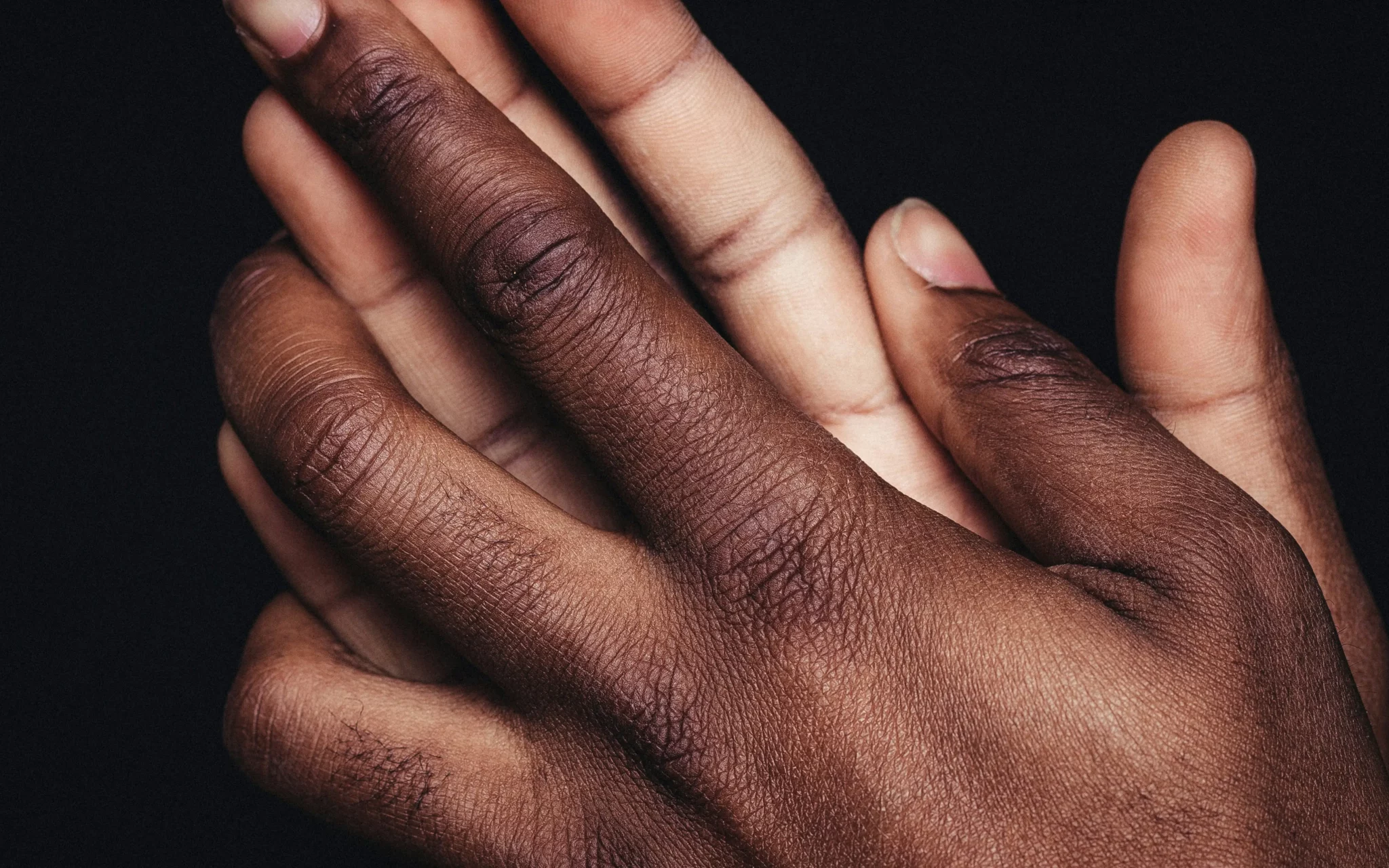
It requires us to look beyond surface similarities and understand how each person interprets relationships.
The same value can be expressed very differently across cultures. One person may demonstrate love through direct communication and verbal affection, while another may express it through consistency, loyalty or practical care. Someone may appear reserved when they are actually deeply committed, while another may communicate warmth very openly.
Our role is to distinguish between fundamental incompatibility and a difference in cultural expression. We explore the values beneath the behaviour: how someone understands commitment, family, partnership, independence, communication and mutual responsibility.
We also consider whether both people possess the curiosity and flexibility required to understand a perspective different from their own. Cross-cultural compatibility does not mean eliminating differences. It means determining whether two people can approach those differences with respect rather than judgement.
The most significant challenges are rarely food, language or social customs. They usually emerge around the expectations people carry without realising that they are cultural.
These can include the role of extended family, attitudes towards money, religion, parenting, gender roles, the expression of affection and the way conflict is handled. Even ideas about privacy, independence and how much time a couple should spend together can vary considerably.
For international couples, geography also becomes part of the relationship. Where will they live? Whose career can accommodate a move? How will they remain connected to their families? What happens when parents become older or children are involved?
These conversations may not feel particularly romantic, but they are essential. The objective is not for two people to agree immediately on every detail. What matters is whether they can discuss difficult questions openly, listen to one another and create solutions that feel fair to both.
Yes. Some of the strongest connections we have observed have been enriched by cultural difference.
When two people share fundamental values but bring different ways of experiencing the world, the relationship can become more expansive. One person may introduce greater spontaneity and emotional expressiveness, while the other brings calm, structure or consistency. Rather than creating distance, these differences can produce a very natural balance.
Cultural difference can also encourage people to communicate more intentionally. They cannot assume that the other person thinks or reacts exactly as they do, so they ask more questions, explain themselves more clearly and remain curious. That can create a deeper understanding than in relationships where similarity is simply taken for granted.
The difference succeeds when neither person sees their own culture as the correct one. They become willing to create something new together: not one person entering the other’s world, but the couple building a shared world of their own.
We look beyond what someone says and explore what international openness would mean in practical terms.
Many people enjoy travelling and describe themselves as international. However, enjoying another culture as a visitor is different from building a life with someone whose background, family expectations or way of communicating may be different from one’s own.
We ask concrete questions. Would they genuinely consider living elsewhere? How would they manage distance at the beginning of a relationship? Are they prepared to travel regularly or learn another language? How would they approach different religious traditions, family structures or expectations around children? Could their professional life accommodate a partner whose career is based in another country?
We also listen for curiosity. Someone who is genuinely open does not simply tolerate difference; they want to understand it. Flexibility, emotional maturity and a willingness to be temporarily inconvenienced are often more revealing than any declaration of being internationally minded.

I have learnt that geography is often the most visible challenge, but rarely the most important one. Distance can be managed when two people share a clear intention and are willing to make practical decisions together. Rigidity is far more difficult to overcome.
At the beginning, it is tempting to focus heavily on nationality, language and location. Experience has taught me that the deeper question is whether two people have the emotional flexibility to build a life that may not look exactly as either of them originally imagined.
International relationships work when both people are prepared to create a shared identity as a couple while continuing to respect where each of them comes from. They do not need to abandon their individual cultures, but they must be willing to build a third culture together: their own.
That is why international matchmaking must remain deeply human. A database can identify languages, locations and preferences. It takes conversation, intuition and genuine understanding to recognise whether two people can transform those differences into a meaningful life together.
What emerges from speaking with Carla is a conviction that runs through everything Macbeth Matchmaking does: that compatibility across borders is not a matter of matching passports or itineraries, but of understanding two people deeply enough to know whether their differences will become a source of richness or a source of friction.
That distinction cannot be automated. It is, and remains, a matter of genuine human judgement — the same judgement that shapes how we work with every client.