

A romantic weekend away creates something that busy schedules often leave little room for: time to slow down, talk and enjoy each other without distraction. In autumn, Europe is particularly well suited to a short escape. The pace is calmer, the landscapes change colour and many destinations feel more intimate after the summer crowds have gone. The best romantic weekend

Even the most enduring partnerships can experience periods of quiet distance, particularly when navigating the relentless pressures of a high-profile lifestyle. For accomplished couples, bridging this gap is never about mere compromise; it is an active, deeply personal journey toward rebuilding emotional safety and reigniting physical intimacy. While guiding a relationship through these delicate transitions requires absolute mutual commitment, having
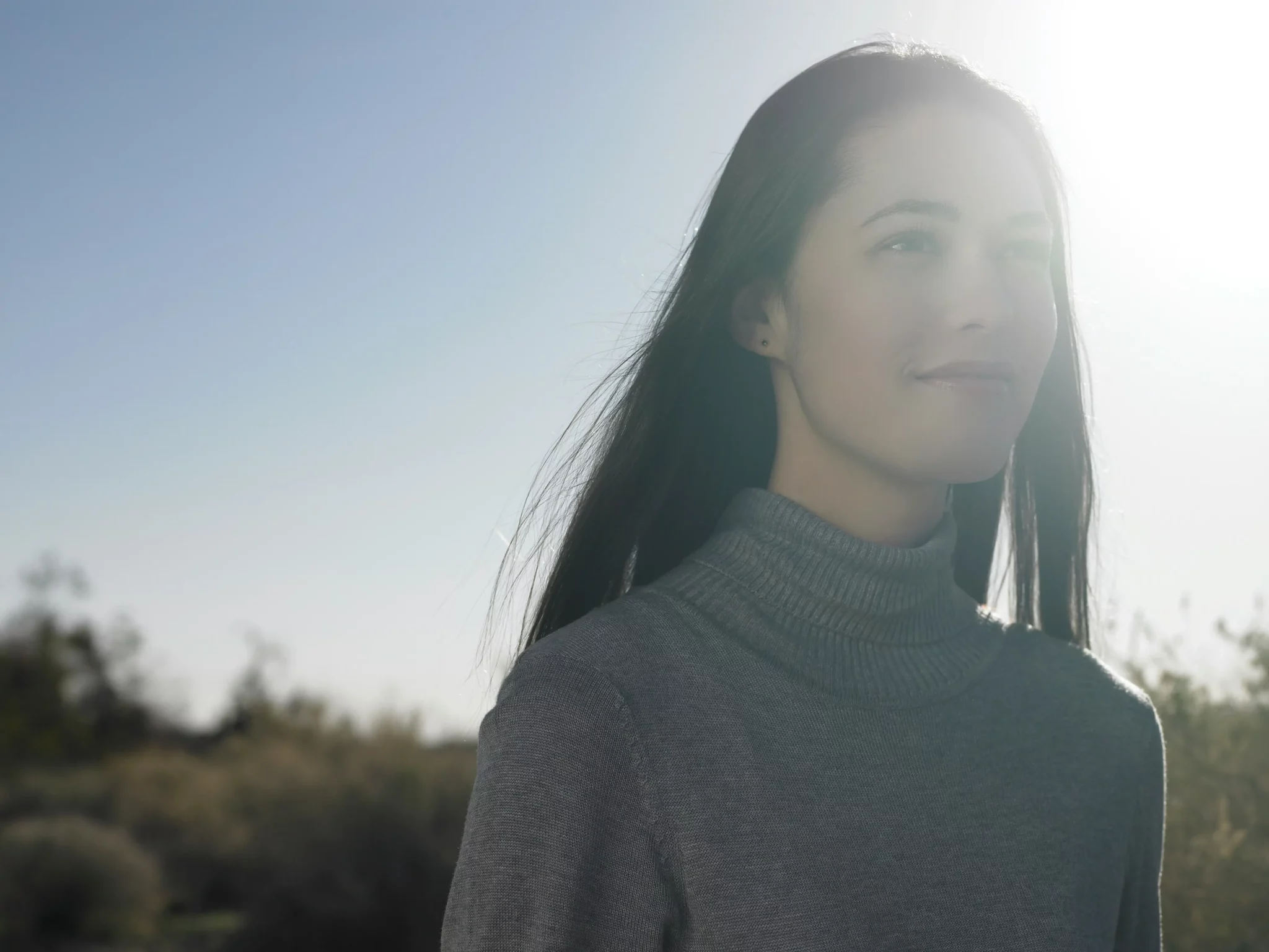
Most people think about dating in terms of outcomes: the right person, the right relationship, the right timing. Far fewer think about the approach itself — the quality of attention, honesty and self-knowledge someone brings to the search before any of that becomes possible. That approach has a name. Conscious dating is not a technique or a checklist. It is

Most people, asked what matters in choosing a partner, will mention values, humour, emotional intelligence, ambition. Very few will mention money — and yet, according to a growing body of research, few things predict the health of a long-term relationship as reliably as how two people relate to it. This is not a comfortable subject. Money remains one of the

Most people, when a relationship ends, reach for the nearest explanation. An argument that went too far, a betrayal, a growing distance that one or both partners eventually named. These explanations are real and they matter. But they are, in most cases, the surface event — the visible moment of a process that had been unfolding for considerably longer. The

Divorce is one of the most significant transitions a person will navigate. Not only does it end a relationship — it changes the texture of daily life, the structure of identity and, often, one’s fundamental sense of what partnership looks and feels like. Before any of that settles, the question of dating again arrives. Sometimes it arrives from within. Sometimes

There is a question that surfaces, often quietly, in the lives of professionally accomplished women at a certain point: why is it that the clarity and capability that serves them so well in every other domain seems to complicate, rather than simplify, the search for a relationship that actually fits? The answer, when examined honestly, has less to do with

Commitment is a word people use as though its meaning were fixed — as though committing to a relationship at 32 and committing to one at 54 were simply the same decision. They are not. What commitment requires, what it costs and what it offers shift considerably across the decades, shaped less by how much time has passed than by
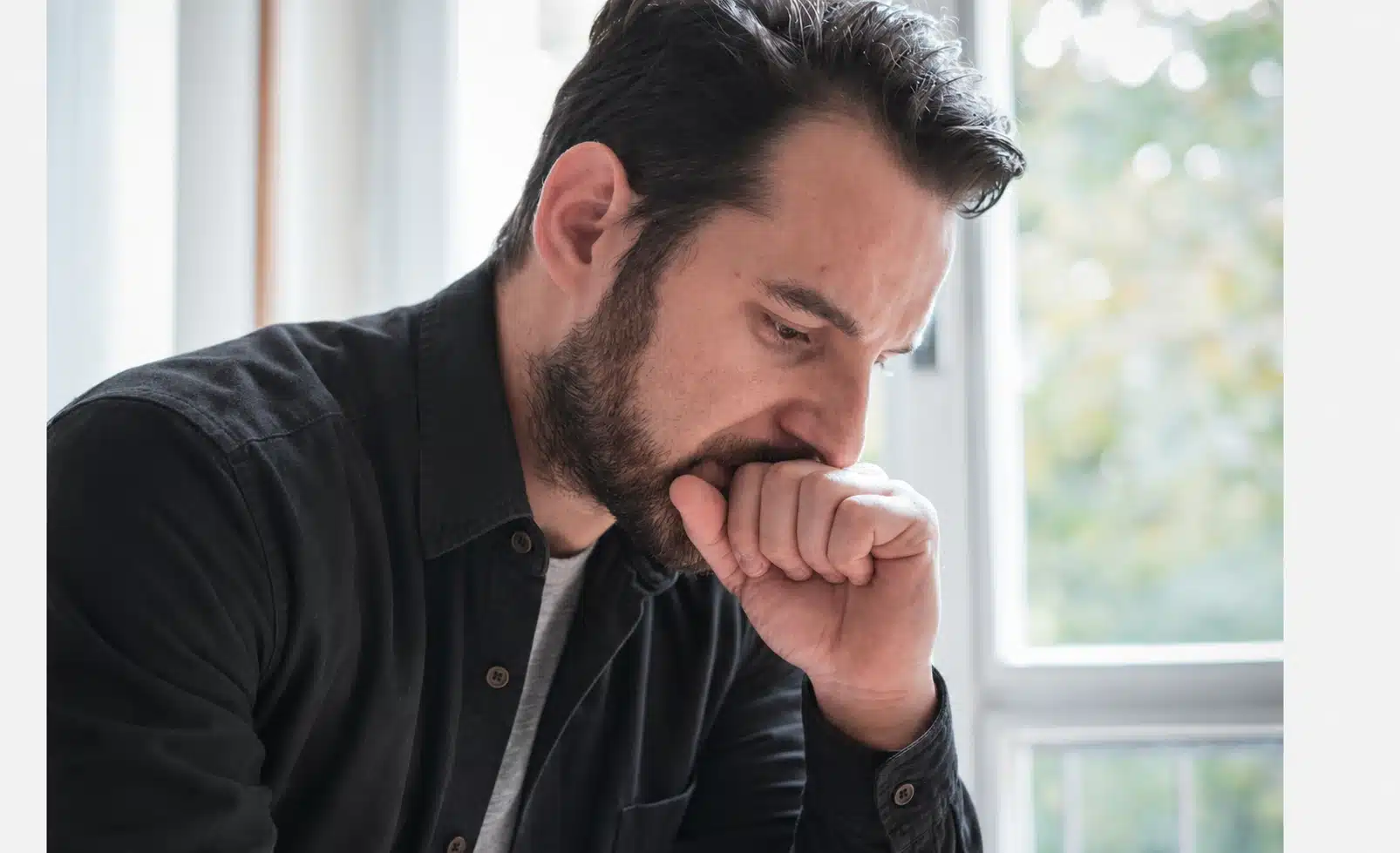
There is a particular character to heartbreak that arrives after a certain age. It does not announce itself with the sharp, uncomplicated anguish of youth. It settles in slowly — through empty routines, familiar objects, the absence of a person who had become part of how you understood yourself. Ending a long relationship in your 40s, 50s or beyond is

You have built something extraordinary. A career that reflects years of discipline, vision and sacrifice. A life organised around high standards and meaningful results. And yet — in the most private moments — there is something that doesn’t quite add up. Connection feels more effortful than it should. Intimacy arrives at a remove. The person across from you is present;